
A house with an artistic soul and a story to tell
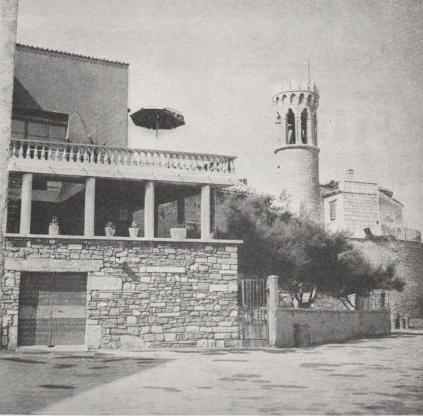
At the very tip of the Piran peninsula, overlooking the Adriatic Sea, stands a house with a remarkable story — a story shaped by art, inspiration and a deep connection with the surrounding landscape.
In the 1950s, Slovenian artist Luigi Spacal chose this house as a place to live and find inspiration. Together with his friend, architect Edo Mihevc, he renovated the property, opening it towards the sea and creating terraces with beautiful views across the Adriatic.
From that moment on, the house became closely connected to Spacal’s life and artistic journey.
Luigi Spacal: Inspired by the Landscape
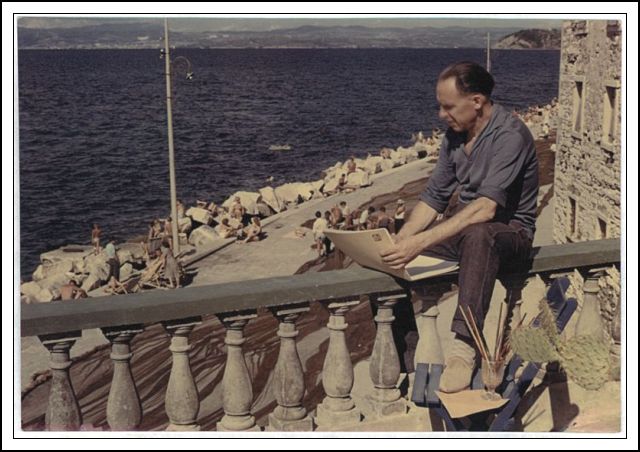
Luigi Spacal (1907–2000) was a renowned painter and printmaker of Slovenian heritage, whose work brought together the influences of the Mediterranean world and the Karst landscape.
Piran was much more than a holiday destination for him. The changing light of the sunsets, the colours of the sea, the rocky coastline and the landscapes of Istria all became part of his artistic imagination.
Yet one place captured his attention above all: the salt pans.
The Sečovlje Salt Pans: A Landscape Turned into Art
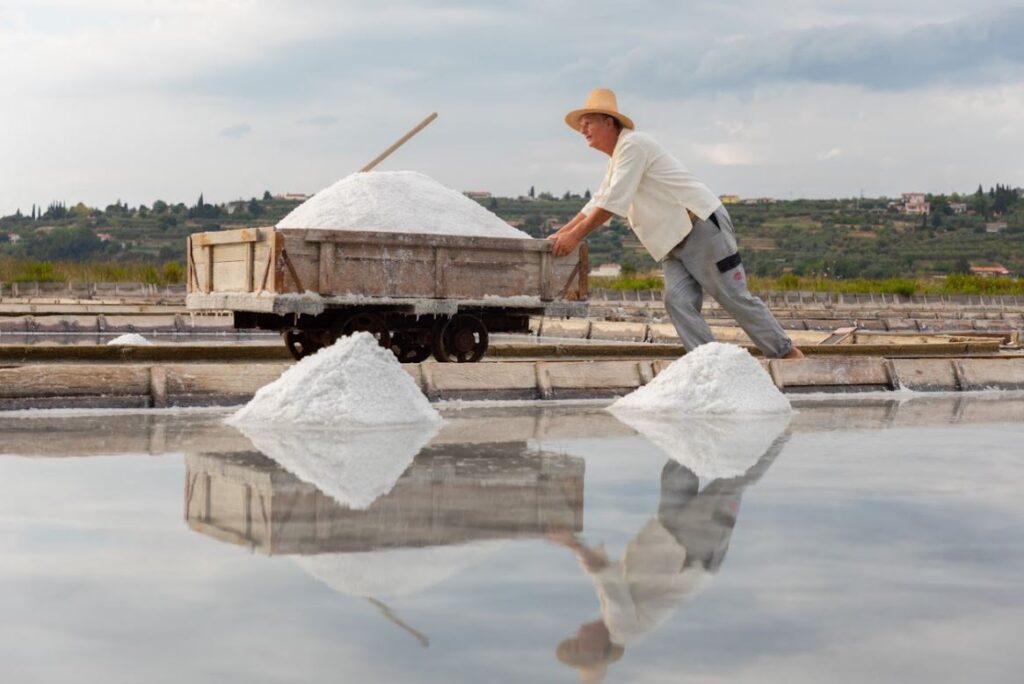
The work of the salt workers, the geometric patterns of the salt fields, the shallow pools of water and the reflections of the sky fascinated Spacal.
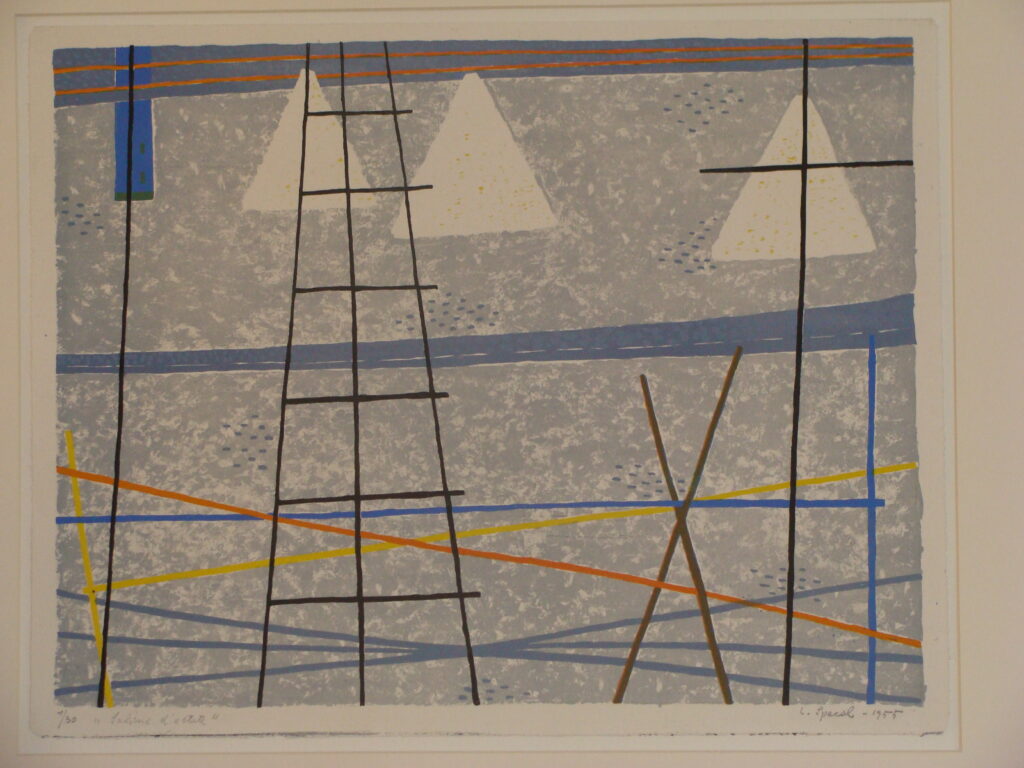
During the 1950s, he dedicated numerous works to this unique landscape, transforming scenes of traditional salt production into a world of shapes, colours and textures.
For him, the salt pans were more than a beautiful setting. They represented a fascinating relationship between people, nature and centuries-old traditions.
Today, the Sečovlje Salina Nature Park, just a short distance from Piran, still preserves this extraordinary landscape and its traditional salt-making heritage.
The Atelier: A Home for Art and Encounters
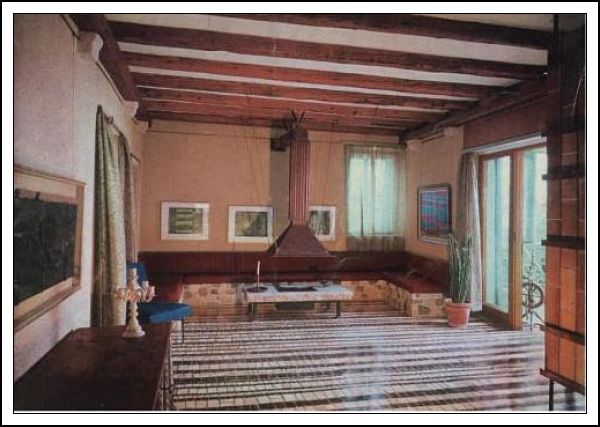
On the ground floor of the house, Spacal created his private atelier. It was his working space and also a place where he welcomed friends, fellow artists and guests from the cultural world of his time.
The house was therefore much more than a family home overlooking the sea. It was a place for conversation, creativity and exchange, where art was part of everyday life.
The terraces, the natural light and the unique position overlooking the Adriatic all contributed to the special atmosphere that can still be felt in the house today.
From the Sea to the Karst: The House in Škrbina
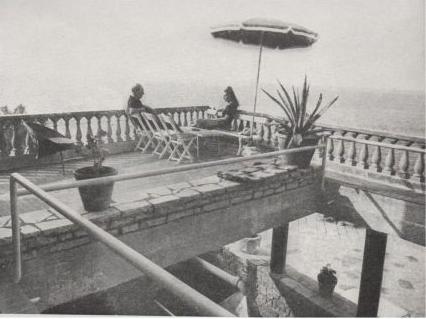
As the years went by, Piran changed. During the 1970s, Spacal increasingly sought the peace and inspiration of the Karst landscape, a place deeply connected to his roots.
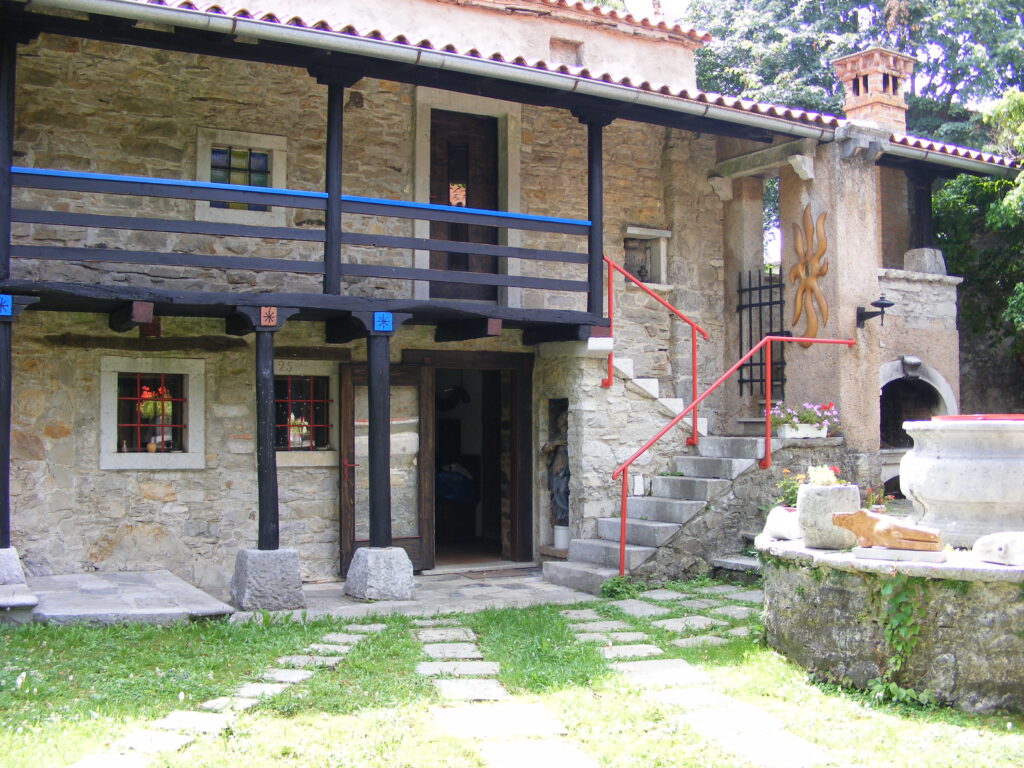
In 1969, he had acquired an abandoned traditional farmhouse in Škrbina. He carefully restored it, preserving the simplicity and distinctive features of traditional Karst architecture.
The house became his retreat and a place to work. Its stone walls, earthy colours and surrounding landscape gradually found their way into his artistic language, leaving a distinctive mark on his later work.
Two different places — the Adriatic coast of Piran and the stone landscape of the Karst — reveal two complementary sides of Spacal’s artistic world.
A Family Story That Continues

After the artist’s death, his family and heirs continued to look after the house in Piran and preserve its connection with his life and work.
Today, Tanja, one of Luigi Spacal’s granddaughters, has given new life to the north-facing part of the house by transforming it into holiday apartments.
The idea is simple: to share the beauty of this special place, its extraordinary setting and the atmosphere of a house that was once part of an artist’s life.
Guests staying here discover more than an apartment by the sea. They become part of a family story, surrounded by art, history and the remarkable landscape that inspired generations.
Piran Spacal Sea View Apartments